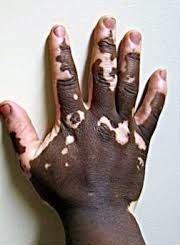
Vitiligo is a condition in where white patches develop on the skin. It can affect any area of the skin, and most people with vitiligo have white patches on the face, neck and hands.

Causes

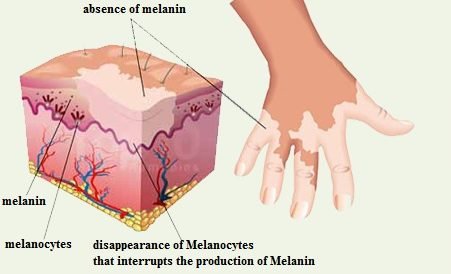
The condition is as a result of loss of melanin. Melanocytes – the pigment forming cell have been destroyed.
Vitiligo affects all races but is more noticeable in dark skinned persons. It affects about 1% of the global population.

Risk factors

Vitiligo may be hereditary i.e. it runs in the family.

Autoimmune diseases, such as autoimmune thyroid disease (Hashimoto’s thyroiditis) or type 1 diabetes, can also raise your odds.

Symptoms

There is pigment loss in some areas of the skin. Once the white patches appear, they may stay the same for a while, but later on, get bigger.

Vitiligo commonly affects body folds (such as armpits), places that have been injured in the past, and areas exposed to sun, around moles, or around body openings. It can also affect eyelids and hair.

It’s rare for pigment to return once the white patches have developed.

Diagnosis and Treatment

Physical examination of the skin by a Doctor is used to diagnose the condition.

There is no cure or known ways to prevent vitiligo. However it can be managed by improving the appearance of affected skin with cosmetics and corticosteroid creams. Re-pigmentation of the white skin using UV light therapy or lightening the skin in unaffected areas, or a skin graft can also be done.

Tips to manage vitiligo;

Protect your skin from the sun

To protect your skin from the sun, dermatologists recommend that you:

  1. Use sunscreen every day. 
  2. Wear clothing that protects your skin from the sun. 
  3. Seek shade. 
  4. Do not use tanning beds and sun lamps. 
  5. Add colour to your skin safely. If you want to add colour to your skin, consider using self-tanner, concealing cream, dye, or makeup.
  6. Do not get a tattoo. 
Facebook
WhatsApp
Twitter
LinkedIn
Email

One Response

Leave a Reply

Your email address will not be published. Required fields are marked *

Related Articles

Diseases & Conditions

International Childhood Cancer Day : Understanding the Global Fight Against Childhood Cancer

Every year on February 15th, the world observes International Childhood Cancer Day to raise awareness about pediatric cancer and support young patients and their families. Every 2 minutes, a child is diagnosed with cancer somewhere in the world. While survival rates exceed 80% in high-income countries, they drop to just 20% in low- and middle-income nations. This day shines a spotlight on the courage of young patients, the dedication of their families, and the urgent need for better treatments and equitable access to care. Discover how you can make a difference in the fight against childhood cancer.

Read →
Diseases & Conditions

Listen Before You Judge: A Global Look at Life With PTSD

What if your vision, weight, hearing, and lungs were all connected?
The truth is, they are—and ignoring the signs could put your health at risk. Find out how these four conditions impact your body and the simple steps you can take to prevent them before it’s too late!

Read →
anti-microbial resistance
Health Information

Anti-Microbial Resistance: Your Infections Are Fighting Back

Anti-microbial Resistance (AMR) occurs when bacteria, viruses, fungi, and parasites change over time and no longer respond to medicines, making infections harder to treat and increasing the risk of severe illness and death. This resistance can occur naturally over time but is accelerated by factors such as overuse and misuse of antibiotics in humans, animals, and agriculture.

Read →

Subscribe to our newsletter

Subscribe to our newsletter to receive articles like these in your email. We also share with you offers, news and other updates. Use the unsubscribe link in those emails to opt-out at any time.

Let’s connect

We will love to connect with you. For your health needs, inquiries, suggestions or feedback simply hit the ‘Get in touch’ button let’s connect.

Let's Connect - MetroHealth HMO